| Előző téma megtekintése :: Következő téma megtekintése |
| Szerző |
Üzenet |
visualopsins 


Csatlakozott: 2009.03.05. Csütörtök 19:40
Hozzászólások: 11701
Tartózkodási hely: California
Expire: 2027-07-11
|
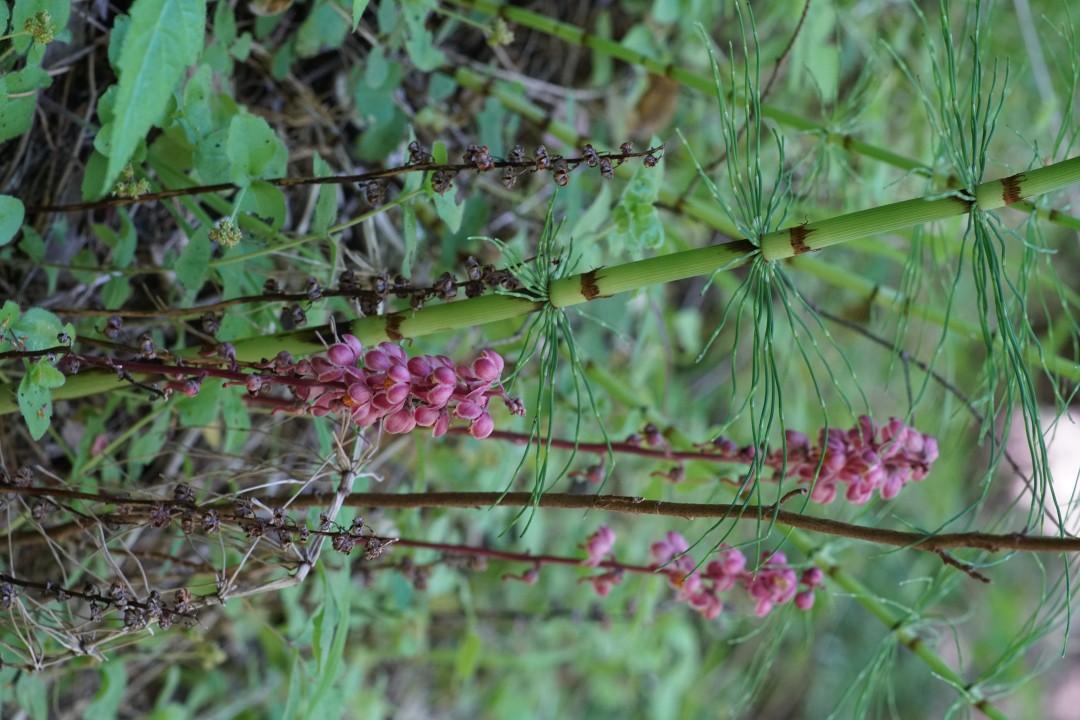
 Elküldve: Szomb. Jún. 22, 2024 12:47 am Hozzászólás témája: Coralroot Orchid |
|
Elküldve: Szomb. Jún. 22, 2024 12:47 am Hozzászólás témája: Coralroot Orchid |
|
|
visualopsins wrote:
https://en.m.wikipedia.org/wiki/Corallorhiza
With Vivitar 100mm 1:2.8 MC 1:1 Macro Telephoto (Kiron) @f/8 Sony A7R2:
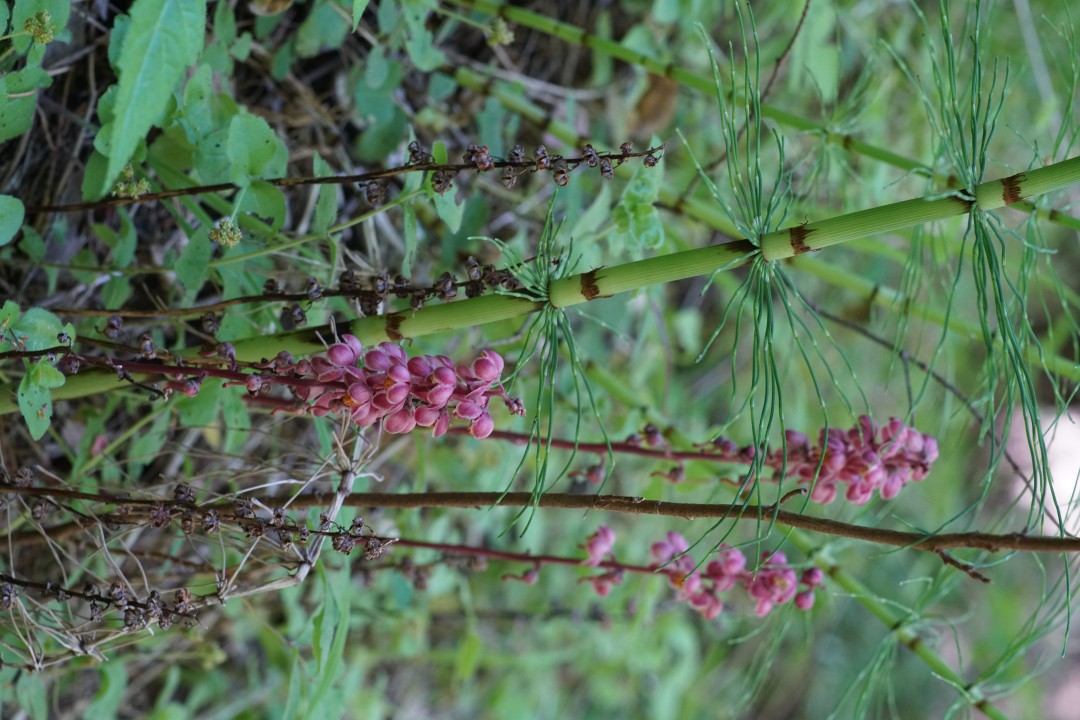
_________________
☮☮☮☮☮☮☮☮☮☮☮☮☮☮☮☮☮☮☮☮☮☮☮☮☮☮☮☮☮☮☮☮ like attracts like! ☮☮☮☮☮☮☮☮☮☮☮☮☮☮☮☮☮☮☮☮☮☮☮☮☮☮☮☮☮☮☮☮
Cameras: Sony ILCE-7RM2, Spotmatics II, F, and ESII, Nikon P4
Lenses:
M42 Asahi Optical Co., Takumar 1:4 f=35mm, 1:2 f=58mm (Sonnar), 1:2.4 f=58mm (Heliar), 1:2.2 f=55mm (Gaussian), 1:2.8 f=105mm (Model I), 1:2.8/105 (Model II), 1:5.6/200, Tele-Takumar 1:5.6/200, 1:6.3/300, Macro-Takumar 1:4/50, Auto-Takumar 1:2.3 f=35, 1:1.8 f=55mm, 1:2.2 f=55mm, Super-TAKUMAR 1:3.5/28 (fat), 1:2/35 (Fat), 1:1.4/50 (8-element), Super-Multi-Coated Fisheye-TAKUMAR 1:4/17, Super-Multi-Coated TAKUMAR 1:4.5/20, 1:3.5/24, 1:3.5/28, 1:2/35, 1:3.5/35, 1:1.8/85, 1:1.9/85 1:2.8/105, 1:3.5/135, 1:2.5/135 (II), 1:4/150, 1:4/200, 1:4/300, 1:4.5/500, Super-Multi-Coated Macro-TAKUMAR 1:4/50, 1:4/100, Super-Multi-Coated Bellows-TAKUMAR 1:4/100, SMC TAKUMAR 1:1.4/50, 1:1.8/55
M42 Carl Zeiss Jena Flektogon 2.4/35
Contax Carl Zeiss Vario-Sonnar T* 28-70mm F3.5-4.5
Pentax K-mount SMC PENTAX-A ZOOM 1:3.5 35~105mm, SMC PENTAX ZOOM 1:4 45~125mm
Nikon Micro-NIKKOR-P-C Auto 1:3.5 f=55mm, NIKKOR-P Auto 105mm f/2.5 Pre-AI (Sonnar), Micro-NIKKOR 105mm 1:4 AI, NIKKOR AI-S 35-135mm f/3,5-4,5
Solinon 1:5.6/18 ASPH.
Tamron SP 17mm f/3.5 (51B), Tamron SP 17mm f/3.5 (151B), SP 500mm f/8 (55BB), SP 70-210mm f/3.5 (19AH)
Vivitar 100mm 1:2.8 MC 1:1 Macro Telephoto (Kiron)
|
|
| Vissza az elejére |
|
 |
jamaeolus

Csatlakozott: 2014.03.19. Szerda 3:31
Hozzászólások: 3202
Tartózkodási hely: Eugene
Expire: 2015-08-20
|
Elküldve: Szomb. Jún. 22, 2024 4:56 am Hozzászólás témája: |
|
Elküldve: Szomb. Jún. 22, 2024 4:56 am Hozzászólás témája: |
|
|
jamaeolus wrote:

_________________
photos are moments frozen in time |
|
| Vissza az elejére |
|
|
visualopsins
Csatlakozott: 2009.03.05. Csütörtök 19:40
Hozzászólások: 11701
Tartózkodási hely: California
Expire: 2027-07-11
|
Elküldve: Szomb. Jún. 22, 2024 6:50 am Hozzászólás témája: |
|
Elküldve: Szomb. Jún. 22, 2024 6:50 am Hozzászólás témája: |
|
|
visualopsins wrote:
 I'm gonna drag the tripod down there tomorrow to try for better photos.
_________________
☮☮☮☮☮☮☮☮☮☮☮☮☮☮☮☮☮☮☮☮☮☮☮☮☮☮☮☮☮☮☮☮ like attracts like! ☮☮☮☮☮☮☮☮☮☮☮☮☮☮☮☮☮☮☮☮☮☮☮☮☮☮☮☮☮☮☮☮
Cameras: Sony ILCE-7RM2, Spotmatics II, F, and ESII, Nikon P4
Lenses:
M42 Asahi Optical Co., Takumar 1:4 f=35mm, 1:2 f=58mm (Sonnar), 1:2.4 f=58mm (Heliar), 1:2.2 f=55mm (Gaussian), 1:2.8 f=105mm (Model I), 1:2.8/105 (Model II), 1:5.6/200, Tele-Takumar 1:5.6/200, 1:6.3/300, Macro-Takumar 1:4/50, Auto-Takumar 1:2.3 f=35, 1:1.8 f=55mm, 1:2.2 f=55mm, Super-TAKUMAR 1:3.5/28 (fat), 1:2/35 (Fat), 1:1.4/50 (8-element), Super-Multi-Coated Fisheye-TAKUMAR 1:4/17, Super-Multi-Coated TAKUMAR 1:4.5/20, 1:3.5/24, 1:3.5/28, 1:2/35, 1:3.5/35, 1:1.8/85, 1:1.9/85 1:2.8/105, 1:3.5/135, 1:2.5/135 (II), 1:4/150, 1:4/200, 1:4/300, 1:4.5/500, Super-Multi-Coated Macro-TAKUMAR 1:4/50, 1:4/100, Super-Multi-Coated Bellows-TAKUMAR 1:4/100, SMC TAKUMAR 1:1.4/50, 1:1.8/55
M42 Carl Zeiss Jena Flektogon 2.4/35
Contax Carl Zeiss Vario-Sonnar T* 28-70mm F3.5-4.5
Pentax K-mount SMC PENTAX-A ZOOM 1:3.5 35~105mm, SMC PENTAX ZOOM 1:4 45~125mm
Nikon Micro-NIKKOR-P-C Auto 1:3.5 f=55mm, NIKKOR-P Auto 105mm f/2.5 Pre-AI (Sonnar), Micro-NIKKOR 105mm 1:4 AI, NIKKOR AI-S 35-135mm f/3,5-4,5
Solinon 1:5.6/18 ASPH.
Tamron SP 17mm f/3.5 (51B), Tamron SP 17mm f/3.5 (151B), SP 500mm f/8 (55BB), SP 70-210mm f/3.5 (19AH)
Vivitar 100mm 1:2.8 MC 1:1 Macro Telephoto (Kiron)
|
|
| Vissza az elejére |
|
|
kds315*

Csatlakozott: 2008.03.12. Szerda 0:06
Hozzászólások: 16912
Tartózkodási hely: Kehl, Germany
Expire: 2021-03-09
|
Elküldve: Szomb. Jún. 22, 2024 7:36 am Hozzászólás témája: |
|
Elküldve: Szomb. Jún. 22, 2024 7:36 am Hozzászólás témája: |
|
|
kds315* wrote:
_________________
Klaus - Admin
"S'il vient a point, me souviendra" [Thomas Bohier (1460-1523)]
http://www.macrolenses.de for macro and special lens info
http://www.pbase.com/kds315/uv_photos for UV Images and lens/filter info
https://www.flickr.com/photos/kds315/albums my albums using various lenses
http://photographyoftheinvisibleworld.blogspot.com/ my UV BLOG
http://www.travelmeetsfood.com/blog Food + Travel BLOG
https://galeriafotografia.com Architecture + Drone photography
Currently most FAV lens(es):
X80QF f3.2/80mm
Hypergon f11/26mm
ELCAN UV f5.6/52mm
Zeiss UV-Planar f4/60mm
Zeiss UV-Planar f2/62mm
Lomo Уфар-12 f2.5/41mm
Lomo Зуфар-2 f4.0/350mm
Lomo ZIKAR-1A f1.2/100mm
Nikon UV Nikkor f4.5/105mm
Zeiss UV-Sonnar f4.3/105mm
CERCO UV-VIS-NIR f1.8/45mm
CERCO UV-VIS-NIR f4.1/94mm
CERCO UV-VIS-NIR f2.8/100mm
Steinheil Quarzobjektiv f1.8/50mm
Pentax Quartz Takumar f3.5/85mm
Carl Zeiss Jena UV-Objektiv f4/60mm
NYE OPTICAL Lyman-Alpha II f1.1/90mm
NYE OPTICAL Lyman-Alpha I f2.8/200mm
COASTAL OPTICS f4/60mm UV-VIS-IR Apo
COASTAL OPTICS f4.5/105mm UV-Micro-Apo
Pentax Ultra-Achromatic Takumar f4.5/85mm
Pentax Ultra-Achromatic Takumar f5.6/300mm
Rodenstock UV-Rodagon f5.6/60mm + 105mm + 150mm
|
|
| Vissza az elejére |
|
|
RokkorDoctor


Csatlakozott: 2021.11.27. Szombat 15:19
Hozzászólások: 1562
Tartózkodási hely: Kent, UK
Expire: 2025-05-01
|
Elküldve: Szomb. Jún. 22, 2024 9:57 am Hozzászólás témája: |
|
Elküldve: Szomb. Jún. 22, 2024 9:57 am Hozzászólás témája: |
|
|
RokkorDoctor wrote:

Some nice horsetails (Equisetum) too; together with ferns one of the oldest plant genera still found on Earth, some 350-360 million years they have been around! Very invasive given the right conditions, so I hope that's not your garden....
_________________
Mark
SONY A7S, A7RII + dust-sealed modded Novoflex/Fotodiox/Rayqual MD-NEX adapters
Minolta SR-1, SRT-101/303, XD7/XD11, XGM, X700
Bronica SQAi
Ricoh GX100
Minolta majority of all Rokkor SR/AR/MC/MD models made
Sigma 14mm/3.5 for SR mount
Tamron SP 60B 300mm/2.8 (Adaptall)
Samyang T-S 24mm/3.5 (Nikon mount, DIY converted to SR mount)
Schneider-Kreuznach PC-Super-Angulon 28mm/2.8 (SR mount)
Bronica PS 35/40/50/65/80/110/135/150/180/200/250mm |
|
| Vissza az elejére |
|
|
visualopsins
Csatlakozott: 2009.03.05. Csütörtök 19:40
Hozzászólások: 11701
Tartózkodási hely: California
Expire: 2027-07-11
|
Elküldve: Szomb. Jún. 22, 2024 10:15 am Hozzászólás témája: |
|
Elküldve: Szomb. Jún. 22, 2024 10:15 am Hozzászólás témája: |
|
|
visualopsins wrote:
Far from any human gardens! From Wikipedia page:
| Idézet: |
| Most species are putatively parasitic, relying entirely upon mycorrhizal fungi within their coral-shaped rhizomes for sustenance. Because of this dependence on myco-heterotrophy, they have never been successfully cultivated. Most species are leafless and rootless. Most species produce little or no chlorophyll, and do not utilize photosynthesis. An exception is the yellowish green species Corallorhiza trifida, which has some chlorophyll and is able to fix CO2. However, this species also depends primarily on fungal associations for carbon acquisition.[5][6] |
_________________
☮☮☮☮☮☮☮☮☮☮☮☮☮☮☮☮☮☮☮☮☮☮☮☮☮☮☮☮☮☮☮☮ like attracts like! ☮☮☮☮☮☮☮☮☮☮☮☮☮☮☮☮☮☮☮☮☮☮☮☮☮☮☮☮☮☮☮☮
Cameras: Sony ILCE-7RM2, Spotmatics II, F, and ESII, Nikon P4
Lenses:
M42 Asahi Optical Co., Takumar 1:4 f=35mm, 1:2 f=58mm (Sonnar), 1:2.4 f=58mm (Heliar), 1:2.2 f=55mm (Gaussian), 1:2.8 f=105mm (Model I), 1:2.8/105 (Model II), 1:5.6/200, Tele-Takumar 1:5.6/200, 1:6.3/300, Macro-Takumar 1:4/50, Auto-Takumar 1:2.3 f=35, 1:1.8 f=55mm, 1:2.2 f=55mm, Super-TAKUMAR 1:3.5/28 (fat), 1:2/35 (Fat), 1:1.4/50 (8-element), Super-Multi-Coated Fisheye-TAKUMAR 1:4/17, Super-Multi-Coated TAKUMAR 1:4.5/20, 1:3.5/24, 1:3.5/28, 1:2/35, 1:3.5/35, 1:1.8/85, 1:1.9/85 1:2.8/105, 1:3.5/135, 1:2.5/135 (II), 1:4/150, 1:4/200, 1:4/300, 1:4.5/500, Super-Multi-Coated Macro-TAKUMAR 1:4/50, 1:4/100, Super-Multi-Coated Bellows-TAKUMAR 1:4/100, SMC TAKUMAR 1:1.4/50, 1:1.8/55
M42 Carl Zeiss Jena Flektogon 2.4/35
Contax Carl Zeiss Vario-Sonnar T* 28-70mm F3.5-4.5
Pentax K-mount SMC PENTAX-A ZOOM 1:3.5 35~105mm, SMC PENTAX ZOOM 1:4 45~125mm
Nikon Micro-NIKKOR-P-C Auto 1:3.5 f=55mm, NIKKOR-P Auto 105mm f/2.5 Pre-AI (Sonnar), Micro-NIKKOR 105mm 1:4 AI, NIKKOR AI-S 35-135mm f/3,5-4,5
Solinon 1:5.6/18 ASPH.
Tamron SP 17mm f/3.5 (51B), Tamron SP 17mm f/3.5 (151B), SP 500mm f/8 (55BB), SP 70-210mm f/3.5 (19AH)
Vivitar 100mm 1:2.8 MC 1:1 Macro Telephoto (Kiron)
|
|
| Vissza az elejére |
|
|
RokkorDoctor
Csatlakozott: 2021.11.27. Szombat 15:19
Hozzászólások: 1562
Tartózkodási hely: Kent, UK
Expire: 2025-05-01
|
Elküldve: Szomb. Jún. 22, 2024 7:12 pm Hozzászólás témája: |
|
Elküldve: Szomb. Jún. 22, 2024 7:12 pm Hozzászólás témája: |
|
|
RokkorDoctor wrote:
| visualopsins írta: |
Far from any human gardens! From Wikipedia page:
| Idézet: |
| Most species are putatively parasitic, relying entirely upon mycorrhizal fungi within their coral-shaped rhizomes for sustenance. Because of this dependence on myco-heterotrophy, they have never been successfully cultivated. Most species are leafless and rootless. Most species produce little or no chlorophyll, and do not utilize photosynthesis. An exception is the yellowish green species Corallorhiza trifida, which has some chlorophyll and is able to fix CO2. However, this species also depends primarily on fungal associations for carbon acquisition.[5][6] |
|
Oh, I meant the horsetail also in your image is invasive, not the orchid... 
_________________
Mark
SONY A7S, A7RII + dust-sealed modded Novoflex/Fotodiox/Rayqual MD-NEX adapters
Minolta SR-1, SRT-101/303, XD7/XD11, XGM, X700
Bronica SQAi
Ricoh GX100
Minolta majority of all Rokkor SR/AR/MC/MD models made
Sigma 14mm/3.5 for SR mount
Tamron SP 60B 300mm/2.8 (Adaptall)
Samyang T-S 24mm/3.5 (Nikon mount, DIY converted to SR mount)
Schneider-Kreuznach PC-Super-Angulon 28mm/2.8 (SR mount)
Bronica PS 35/40/50/65/80/110/135/150/180/200/250mm |
|
| Vissza az elejére |
|
|
visualopsins
Csatlakozott: 2009.03.05. Csütörtök 19:40
Hozzászólások: 11701
Tartózkodási hely: California
Expire: 2027-07-11
|
Elküldve: Szomb. Jún. 22, 2024 7:51 pm Hozzászólás témája: |
|
Elküldve: Szomb. Jún. 22, 2024 7:51 pm Hozzászólás témája: |
|
|
visualopsins wrote:
| RokkorDoctor írta: |
| visualopsins írta: |
Far from any human gardens! From Wikipedia page:
| Idézet: |
| Most species are putatively parasitic, relying entirely upon mycorrhizal fungi within their coral-shaped rhizomes for sustenance. Because of this dependence on myco-heterotrophy, they have never been successfully cultivated. Most species are leafless and rootless. Most species produce little or no chlorophyll, and do not utilize photosynthesis. An exception is the yellowish green species Corallorhiza trifida, which has some chlorophyll and is able to fix CO2. However, this species also depends primarily on fungal associations for carbon acquisition.[5][6] |
|
Oh, I meant the horsetail also in your image is invasive, not the orchid... |
You were clear; I was not...
Horsetail is important source of silica. I make tea for the garden. It ferments, providing silica and beneficial bionutrients to garden soils.
_________________
☮☮☮☮☮☮☮☮☮☮☮☮☮☮☮☮☮☮☮☮☮☮☮☮☮☮☮☮☮☮☮☮ like attracts like! ☮☮☮☮☮☮☮☮☮☮☮☮☮☮☮☮☮☮☮☮☮☮☮☮☮☮☮☮☮☮☮☮
Cameras: Sony ILCE-7RM2, Spotmatics II, F, and ESII, Nikon P4
Lenses:
M42 Asahi Optical Co., Takumar 1:4 f=35mm, 1:2 f=58mm (Sonnar), 1:2.4 f=58mm (Heliar), 1:2.2 f=55mm (Gaussian), 1:2.8 f=105mm (Model I), 1:2.8/105 (Model II), 1:5.6/200, Tele-Takumar 1:5.6/200, 1:6.3/300, Macro-Takumar 1:4/50, Auto-Takumar 1:2.3 f=35, 1:1.8 f=55mm, 1:2.2 f=55mm, Super-TAKUMAR 1:3.5/28 (fat), 1:2/35 (Fat), 1:1.4/50 (8-element), Super-Multi-Coated Fisheye-TAKUMAR 1:4/17, Super-Multi-Coated TAKUMAR 1:4.5/20, 1:3.5/24, 1:3.5/28, 1:2/35, 1:3.5/35, 1:1.8/85, 1:1.9/85 1:2.8/105, 1:3.5/135, 1:2.5/135 (II), 1:4/150, 1:4/200, 1:4/300, 1:4.5/500, Super-Multi-Coated Macro-TAKUMAR 1:4/50, 1:4/100, Super-Multi-Coated Bellows-TAKUMAR 1:4/100, SMC TAKUMAR 1:1.4/50, 1:1.8/55
M42 Carl Zeiss Jena Flektogon 2.4/35
Contax Carl Zeiss Vario-Sonnar T* 28-70mm F3.5-4.5
Pentax K-mount SMC PENTAX-A ZOOM 1:3.5 35~105mm, SMC PENTAX ZOOM 1:4 45~125mm
Nikon Micro-NIKKOR-P-C Auto 1:3.5 f=55mm, NIKKOR-P Auto 105mm f/2.5 Pre-AI (Sonnar), Micro-NIKKOR 105mm 1:4 AI, NIKKOR AI-S 35-135mm f/3,5-4,5
Solinon 1:5.6/18 ASPH.
Tamron SP 17mm f/3.5 (51B), Tamron SP 17mm f/3.5 (151B), SP 500mm f/8 (55BB), SP 70-210mm f/3.5 (19AH)
Vivitar 100mm 1:2.8 MC 1:1 Macro Telephoto (Kiron)
|
|
| Vissza az elejére |
|
|
visualopsins
Csatlakozott: 2009.03.05. Csütörtök 19:40
Hozzászólások: 11701
Tartózkodási hely: California
Expire: 2027-07-11
|
Elküldve: Szomb. Jún. 22, 2024 9:52 pm Hozzászólás témája: |
|
Elküldve: Szomb. Jún. 22, 2024 9:52 pm Hozzászólás témája: |
|
|
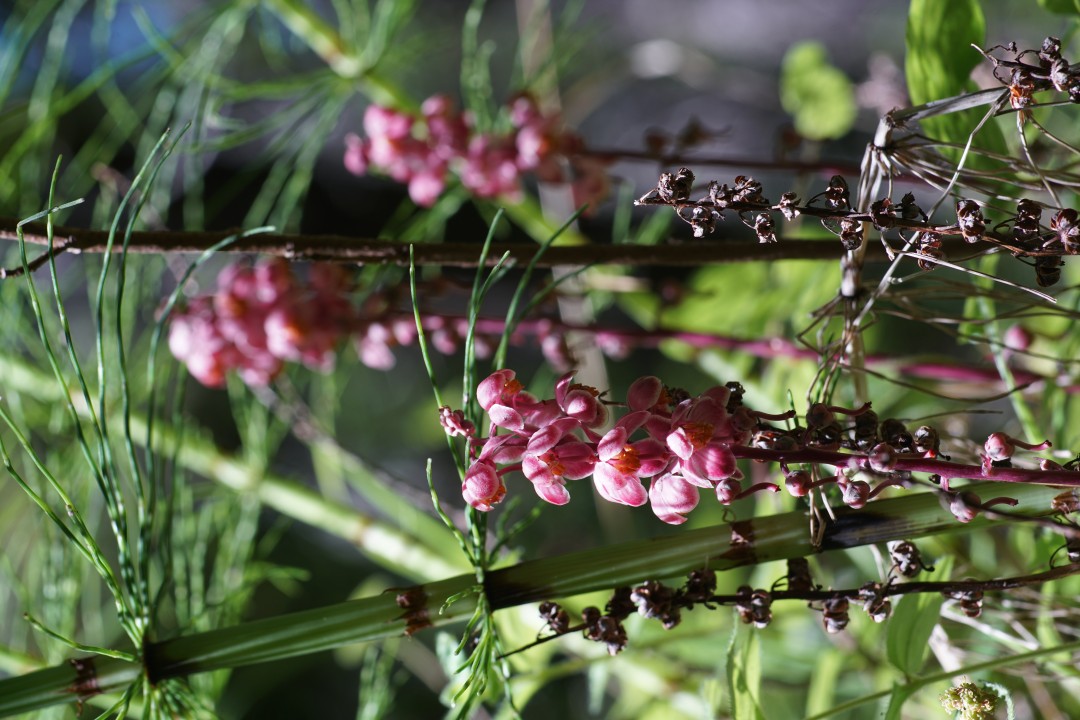
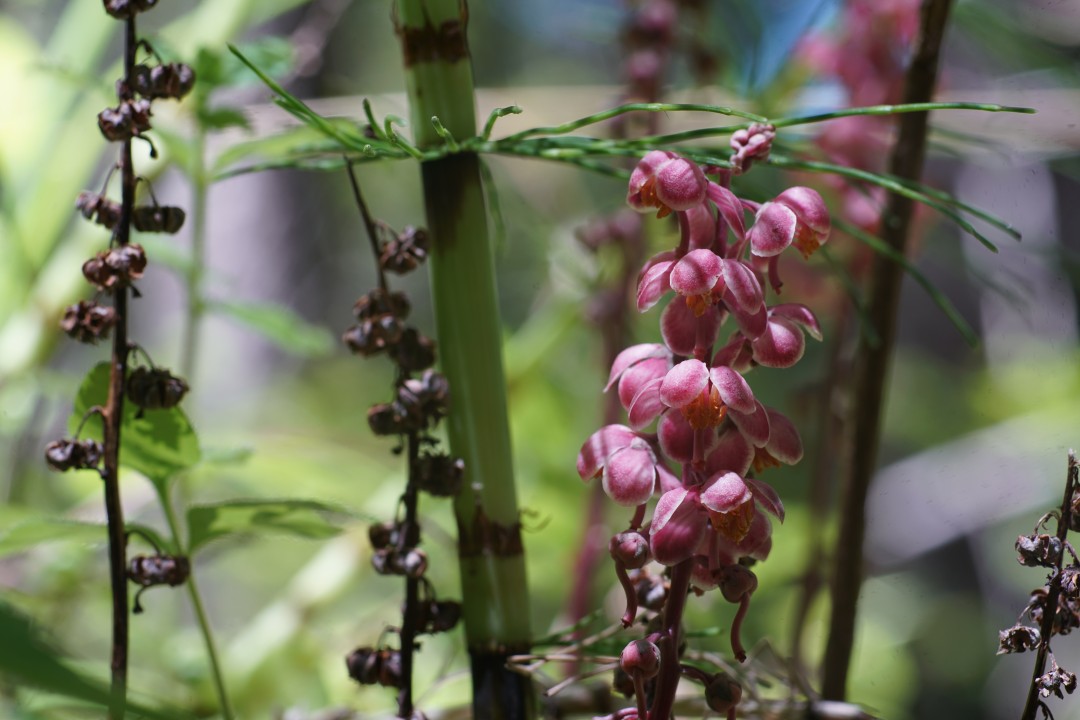
visualopsins wrote:
Well I was clearer than I thought.  it's unlikely coralroot would grow in a garden even with horsetail present --without the underlying mycorrhizii.
Here's more. Still not entirely satisfied but these are better imho...
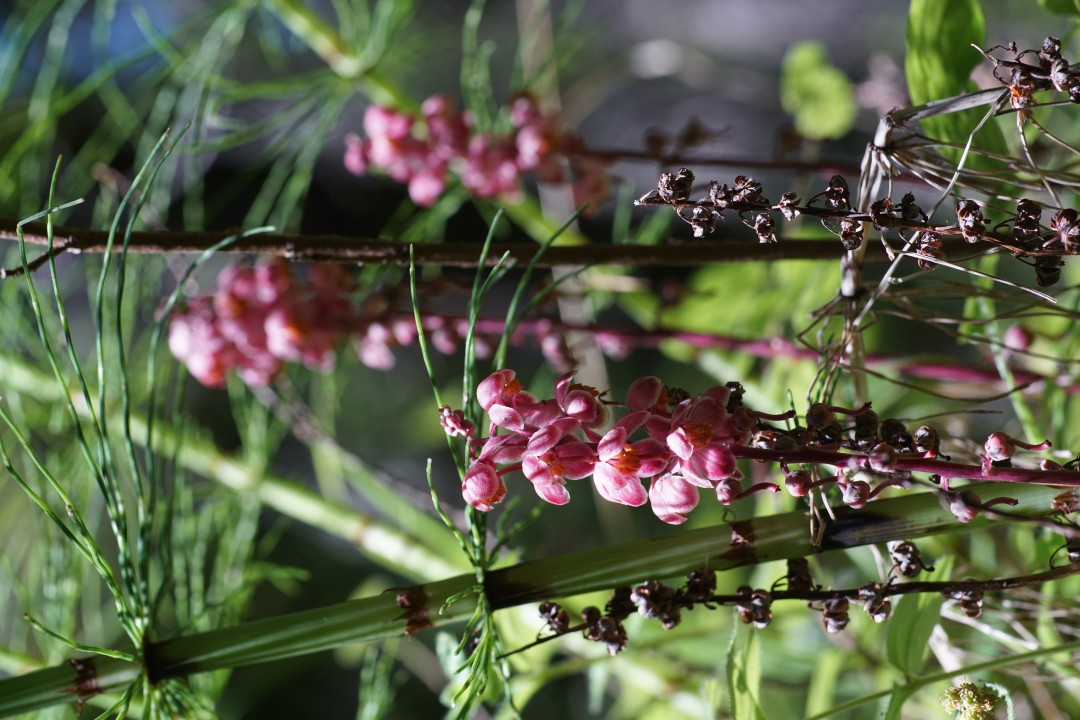
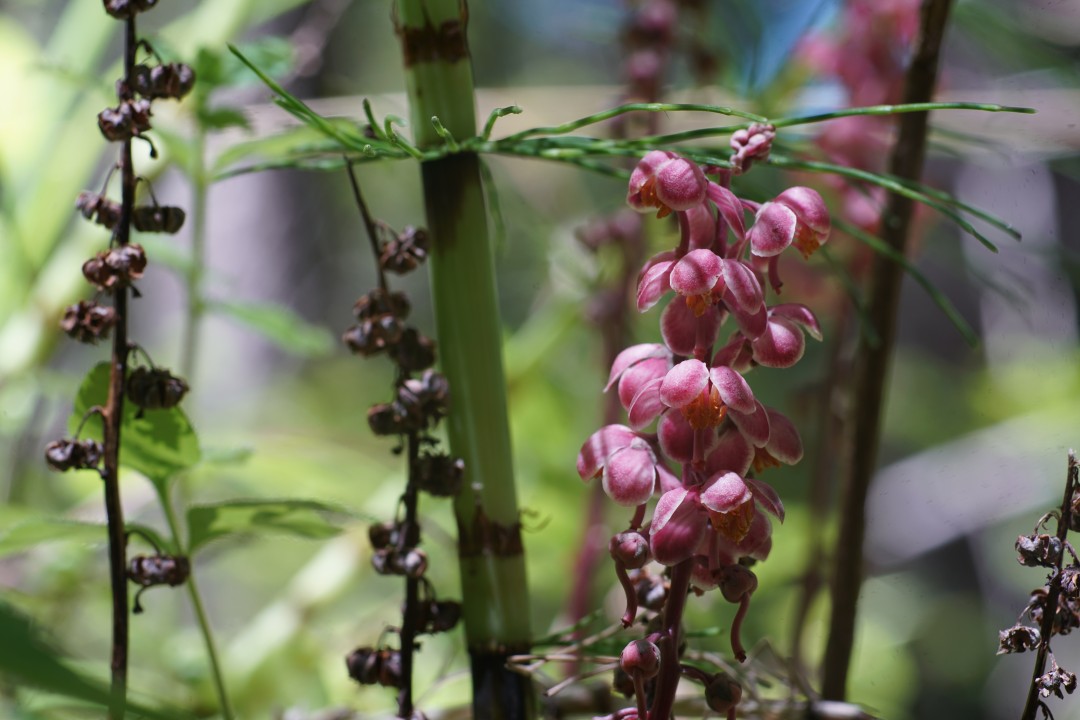
_________________
☮☮☮☮☮☮☮☮☮☮☮☮☮☮☮☮☮☮☮☮☮☮☮☮☮☮☮☮☮☮☮☮ like attracts like! ☮☮☮☮☮☮☮☮☮☮☮☮☮☮☮☮☮☮☮☮☮☮☮☮☮☮☮☮☮☮☮☮
Cameras: Sony ILCE-7RM2, Spotmatics II, F, and ESII, Nikon P4
Lenses:
M42 Asahi Optical Co., Takumar 1:4 f=35mm, 1:2 f=58mm (Sonnar), 1:2.4 f=58mm (Heliar), 1:2.2 f=55mm (Gaussian), 1:2.8 f=105mm (Model I), 1:2.8/105 (Model II), 1:5.6/200, Tele-Takumar 1:5.6/200, 1:6.3/300, Macro-Takumar 1:4/50, Auto-Takumar 1:2.3 f=35, 1:1.8 f=55mm, 1:2.2 f=55mm, Super-TAKUMAR 1:3.5/28 (fat), 1:2/35 (Fat), 1:1.4/50 (8-element), Super-Multi-Coated Fisheye-TAKUMAR 1:4/17, Super-Multi-Coated TAKUMAR 1:4.5/20, 1:3.5/24, 1:3.5/28, 1:2/35, 1:3.5/35, 1:1.8/85, 1:1.9/85 1:2.8/105, 1:3.5/135, 1:2.5/135 (II), 1:4/150, 1:4/200, 1:4/300, 1:4.5/500, Super-Multi-Coated Macro-TAKUMAR 1:4/50, 1:4/100, Super-Multi-Coated Bellows-TAKUMAR 1:4/100, SMC TAKUMAR 1:1.4/50, 1:1.8/55
M42 Carl Zeiss Jena Flektogon 2.4/35
Contax Carl Zeiss Vario-Sonnar T* 28-70mm F3.5-4.5
Pentax K-mount SMC PENTAX-A ZOOM 1:3.5 35~105mm, SMC PENTAX ZOOM 1:4 45~125mm
Nikon Micro-NIKKOR-P-C Auto 1:3.5 f=55mm, NIKKOR-P Auto 105mm f/2.5 Pre-AI (Sonnar), Micro-NIKKOR 105mm 1:4 AI, NIKKOR AI-S 35-135mm f/3,5-4,5
Solinon 1:5.6/18 ASPH.
Tamron SP 17mm f/3.5 (51B), Tamron SP 17mm f/3.5 (151B), SP 500mm f/8 (55BB), SP 70-210mm f/3.5 (19AH)
Vivitar 100mm 1:2.8 MC 1:1 Macro Telephoto (Kiron)
|
|
| Vissza az elejére |
|
|
jamaeolus
Csatlakozott: 2014.03.19. Szerda 3:31
Hozzászólások: 3202
Tartózkodási hely: Eugene
Expire: 2015-08-20
|
Elküldve: Vas. Jún. 23, 2024 4:38 am Hozzászólás témája: |
|
Elküldve: Vas. Jún. 23, 2024 4:38 am Hozzászólás témája: |
|
|
jamaeolus wrote:
I have horsetails in my garden. Nearly impossible to eradicate and difficult to even control.
_________________
photos are moments frozen in time |
|
| Vissza az elejére |
|
|
RokkorDoctor
Csatlakozott: 2021.11.27. Szombat 15:19
Hozzászólások: 1562
Tartózkodási hely: Kent, UK
Expire: 2025-05-01
|
Elküldve: Vas. Jún. 23, 2024 8:29 am Hozzászólás témája: |
|
Elküldve: Vas. Jún. 23, 2024 8:29 am Hozzászólás témája: |
|
|
RokkorDoctor wrote:
| visualopsins írta: |
Well I was clearer than I thought. it's unlikely coralroot would grow in a garden even with horsetail present --without the underlying mycorrhizii.
Here's more. Still not entirely satisfied but these are better imho... |
| jamaeolus írta: |
| I have horsetails in my garden. Nearly impossible to eradicate and difficult to even control. |
We have that problem with wild onions 
_________________
Mark
SONY A7S, A7RII + dust-sealed modded Novoflex/Fotodiox/Rayqual MD-NEX adapters
Minolta SR-1, SRT-101/303, XD7/XD11, XGM, X700
Bronica SQAi
Ricoh GX100
Minolta majority of all Rokkor SR/AR/MC/MD models made
Sigma 14mm/3.5 for SR mount
Tamron SP 60B 300mm/2.8 (Adaptall)
Samyang T-S 24mm/3.5 (Nikon mount, DIY converted to SR mount)
Schneider-Kreuznach PC-Super-Angulon 28mm/2.8 (SR mount)
Bronica PS 35/40/50/65/80/110/135/150/180/200/250mm |
|
| Vissza az elejére |
|
|
visualopsins
Csatlakozott: 2009.03.05. Csütörtök 19:40
Hozzászólások: 11701
Tartózkodási hely: California
Expire: 2027-07-11
|
Elküldve: Vas. Jún. 23, 2024 8:42 am Hozzászólás témája: |
|
Elküldve: Vas. Jún. 23, 2024 8:42 am Hozzászólás témája: |
|
|
visualopsins wrote:
Foraging Secrets: How to Spot Edible Wild Onions Without Confusing Them with Their Poisonous Twins
https://www.gardeningchores.com/edible-wild-onions-and-look-alikes/
_________________
☮☮☮☮☮☮☮☮☮☮☮☮☮☮☮☮☮☮☮☮☮☮☮☮☮☮☮☮☮☮☮☮ like attracts like! ☮☮☮☮☮☮☮☮☮☮☮☮☮☮☮☮☮☮☮☮☮☮☮☮☮☮☮☮☮☮☮☮
Cameras: Sony ILCE-7RM2, Spotmatics II, F, and ESII, Nikon P4
Lenses:
M42 Asahi Optical Co., Takumar 1:4 f=35mm, 1:2 f=58mm (Sonnar), 1:2.4 f=58mm (Heliar), 1:2.2 f=55mm (Gaussian), 1:2.8 f=105mm (Model I), 1:2.8/105 (Model II), 1:5.6/200, Tele-Takumar 1:5.6/200, 1:6.3/300, Macro-Takumar 1:4/50, Auto-Takumar 1:2.3 f=35, 1:1.8 f=55mm, 1:2.2 f=55mm, Super-TAKUMAR 1:3.5/28 (fat), 1:2/35 (Fat), 1:1.4/50 (8-element), Super-Multi-Coated Fisheye-TAKUMAR 1:4/17, Super-Multi-Coated TAKUMAR 1:4.5/20, 1:3.5/24, 1:3.5/28, 1:2/35, 1:3.5/35, 1:1.8/85, 1:1.9/85 1:2.8/105, 1:3.5/135, 1:2.5/135 (II), 1:4/150, 1:4/200, 1:4/300, 1:4.5/500, Super-Multi-Coated Macro-TAKUMAR 1:4/50, 1:4/100, Super-Multi-Coated Bellows-TAKUMAR 1:4/100, SMC TAKUMAR 1:1.4/50, 1:1.8/55
M42 Carl Zeiss Jena Flektogon 2.4/35
Contax Carl Zeiss Vario-Sonnar T* 28-70mm F3.5-4.5
Pentax K-mount SMC PENTAX-A ZOOM 1:3.5 35~105mm, SMC PENTAX ZOOM 1:4 45~125mm
Nikon Micro-NIKKOR-P-C Auto 1:3.5 f=55mm, NIKKOR-P Auto 105mm f/2.5 Pre-AI (Sonnar), Micro-NIKKOR 105mm 1:4 AI, NIKKOR AI-S 35-135mm f/3,5-4,5
Solinon 1:5.6/18 ASPH.
Tamron SP 17mm f/3.5 (51B), Tamron SP 17mm f/3.5 (151B), SP 500mm f/8 (55BB), SP 70-210mm f/3.5 (19AH)
Vivitar 100mm 1:2.8 MC 1:1 Macro Telephoto (Kiron)
|
|
| Vissza az elejére |
|
|
RokkorDoctor
Csatlakozott: 2021.11.27. Szombat 15:19
Hozzászólások: 1562
Tartózkodási hely: Kent, UK
Expire: 2025-05-01
|
Elküldve: Vas. Jún. 23, 2024 6:26 pm Hozzászólás témája: |
|
Elküldve: Vas. Jún. 23, 2024 6:26 pm Hozzászólás témája: |
|
|
RokkorDoctor wrote:
Thanks for the heads up but there is no mistake: whenever I cut them down there is an overpowering onion smell
There are over 800 species of Allium and I haven't a clue which one ours might be. All I have worked out so far that it is one the wild onion varieties and not a wild garlic variety. It has a very small underground cluster of separate round bulbs and even the smallest bulb when disturbed or goes AWOL creates a whole new patch of them. And those tiny bulbs can be up to half a foot down underneath the soil.
_________________
Mark
SONY A7S, A7RII + dust-sealed modded Novoflex/Fotodiox/Rayqual MD-NEX adapters
Minolta SR-1, SRT-101/303, XD7/XD11, XGM, X700
Bronica SQAi
Ricoh GX100
Minolta majority of all Rokkor SR/AR/MC/MD models made
Sigma 14mm/3.5 for SR mount
Tamron SP 60B 300mm/2.8 (Adaptall)
Samyang T-S 24mm/3.5 (Nikon mount, DIY converted to SR mount)
Schneider-Kreuznach PC-Super-Angulon 28mm/2.8 (SR mount)
Bronica PS 35/40/50/65/80/110/135/150/180/200/250mm |
|
| Vissza az elejére |
|
|
Himself
Csatlakozott: 2007.03.01. Csütörtök 0:54
Hozzászólások: 3316
Tartózkodási hely: Montreal
Expire: 2013-05-30
|
Elküldve: Vas. Jún. 23, 2024 8:16 pm Hozzászólás témája: |
|
Elküldve: Vas. Jún. 23, 2024 8:16 pm Hozzászólás témája: |
|
|
Himself wrote:
_________________
Moderator Himself |
|
| Vissza az elejére |
|
|
visualopsins
Csatlakozott: 2009.03.05. Csütörtök 19:40
Hozzászólások: 11701
Tartózkodási hely: California
Expire: 2027-07-11
|
Elküldve: Vas. Jún. 23, 2024 9:27 pm Hozzászólás témája: |
|
Elküldve: Vas. Jún. 23, 2024 9:27 pm Hozzászólás témája: |
|
|
visualopsins wrote:
@kds315* & @Himself!
@RokkorDoctor -- info posted primarily for others who may read this topic and want to try. The wild onions are really delicious in salads & stir fries. Just be careful not to eat too much at first -- wild foods are much more nutritious and medicinal than cultivated. Most importantly, however, is in the wild the onions grow same places as the deadly Death Camas Lily. Before flowering the two are difficult to distinguish -- even experienced wildcrafters have been fooled, with deadly consequence. Wholesale cutting of green parts & bulb harvesting, is definitely not recommended -- test each leaf and bulb carefully for onion odor.
@jamaeolus, have you tried a thick mulch to control the horsetail?
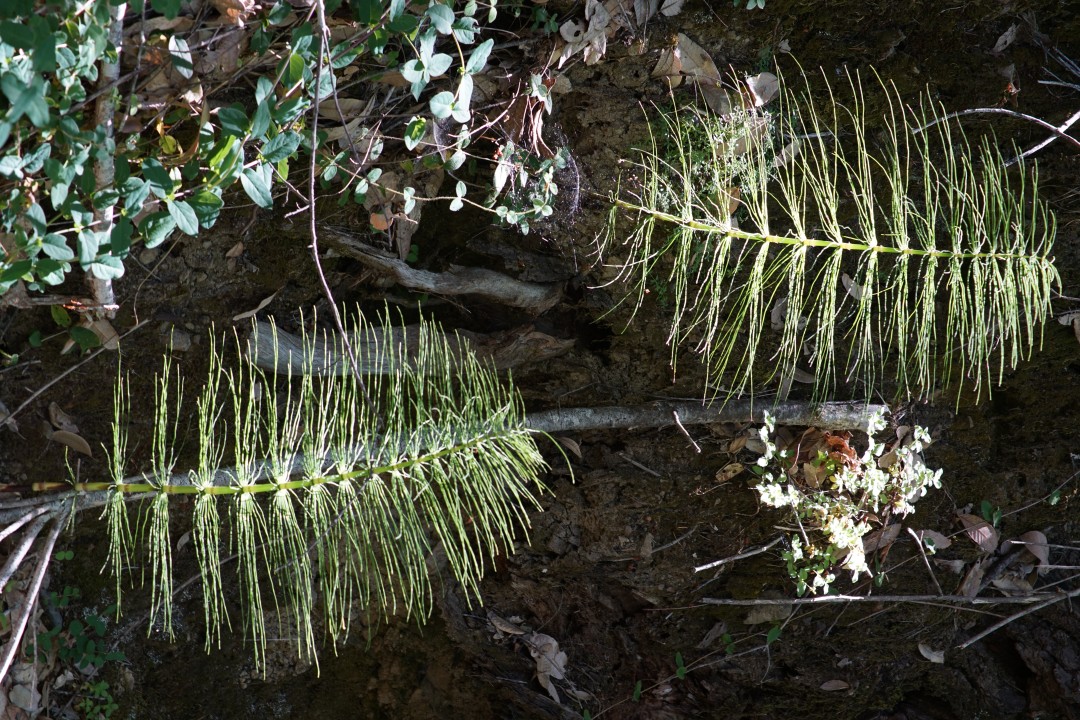
Horsetail (Equisetum) -- here with Vivitar 100mm 1:2.8 MC 1:1 Macro Telephoto (Kiron) @f/8 Sony A7R2:
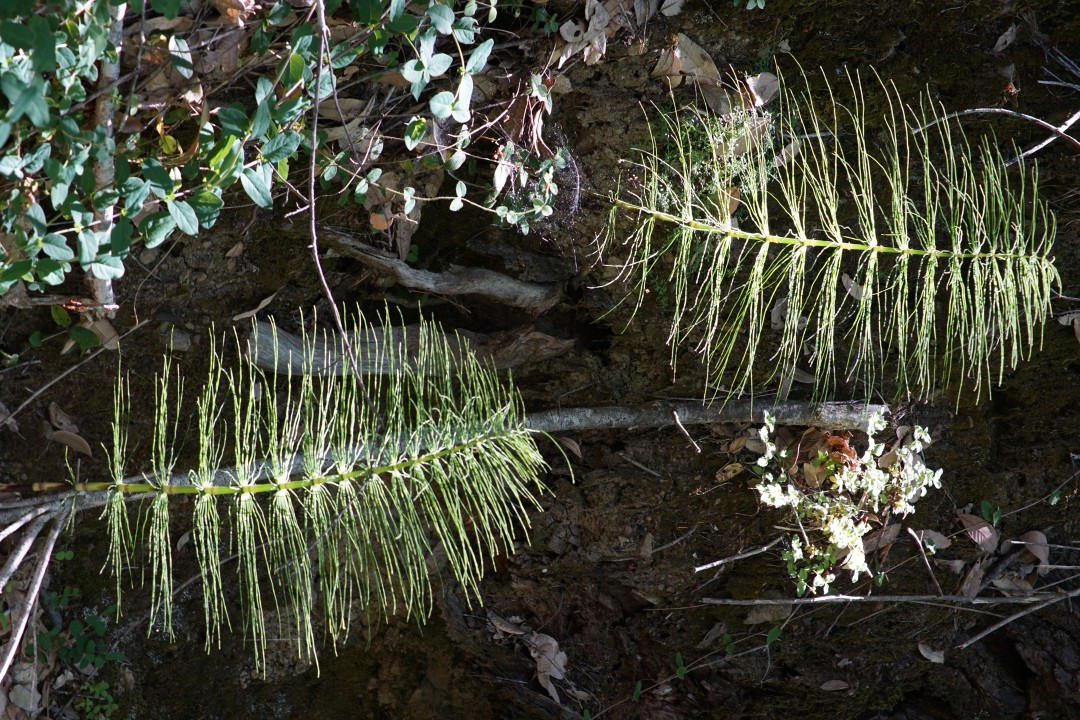
https://en.m.wikipedia.org/wiki/Equisetum
_________________
☮☮☮☮☮☮☮☮☮☮☮☮☮☮☮☮☮☮☮☮☮☮☮☮☮☮☮☮☮☮☮☮ like attracts like! ☮☮☮☮☮☮☮☮☮☮☮☮☮☮☮☮☮☮☮☮☮☮☮☮☮☮☮☮☮☮☮☮
Cameras: Sony ILCE-7RM2, Spotmatics II, F, and ESII, Nikon P4
Lenses:
M42 Asahi Optical Co., Takumar 1:4 f=35mm, 1:2 f=58mm (Sonnar), 1:2.4 f=58mm (Heliar), 1:2.2 f=55mm (Gaussian), 1:2.8 f=105mm (Model I), 1:2.8/105 (Model II), 1:5.6/200, Tele-Takumar 1:5.6/200, 1:6.3/300, Macro-Takumar 1:4/50, Auto-Takumar 1:2.3 f=35, 1:1.8 f=55mm, 1:2.2 f=55mm, Super-TAKUMAR 1:3.5/28 (fat), 1:2/35 (Fat), 1:1.4/50 (8-element), Super-Multi-Coated Fisheye-TAKUMAR 1:4/17, Super-Multi-Coated TAKUMAR 1:4.5/20, 1:3.5/24, 1:3.5/28, 1:2/35, 1:3.5/35, 1:1.8/85, 1:1.9/85 1:2.8/105, 1:3.5/135, 1:2.5/135 (II), 1:4/150, 1:4/200, 1:4/300, 1:4.5/500, Super-Multi-Coated Macro-TAKUMAR 1:4/50, 1:4/100, Super-Multi-Coated Bellows-TAKUMAR 1:4/100, SMC TAKUMAR 1:1.4/50, 1:1.8/55
M42 Carl Zeiss Jena Flektogon 2.4/35
Contax Carl Zeiss Vario-Sonnar T* 28-70mm F3.5-4.5
Pentax K-mount SMC PENTAX-A ZOOM 1:3.5 35~105mm, SMC PENTAX ZOOM 1:4 45~125mm
Nikon Micro-NIKKOR-P-C Auto 1:3.5 f=55mm, NIKKOR-P Auto 105mm f/2.5 Pre-AI (Sonnar), Micro-NIKKOR 105mm 1:4 AI, NIKKOR AI-S 35-135mm f/3,5-4,5
Solinon 1:5.6/18 ASPH.
Tamron SP 17mm f/3.5 (51B), Tamron SP 17mm f/3.5 (151B), SP 500mm f/8 (55BB), SP 70-210mm f/3.5 (19AH)
Vivitar 100mm 1:2.8 MC 1:1 Macro Telephoto (Kiron)
|
|
| Vissza az elejére |
|
|
|
|
 Magyar
 Español
 中文
 Русский
 Deutsch
 日本語
 Français